
Ten years ago, Chen Jian (陈健) sat in on a class at Fudan University as a secondary school student from Singapore. He was impressed by the students—confident, articulate, clearly among China’s top academic talents. He never imagined he would one day become one of them.
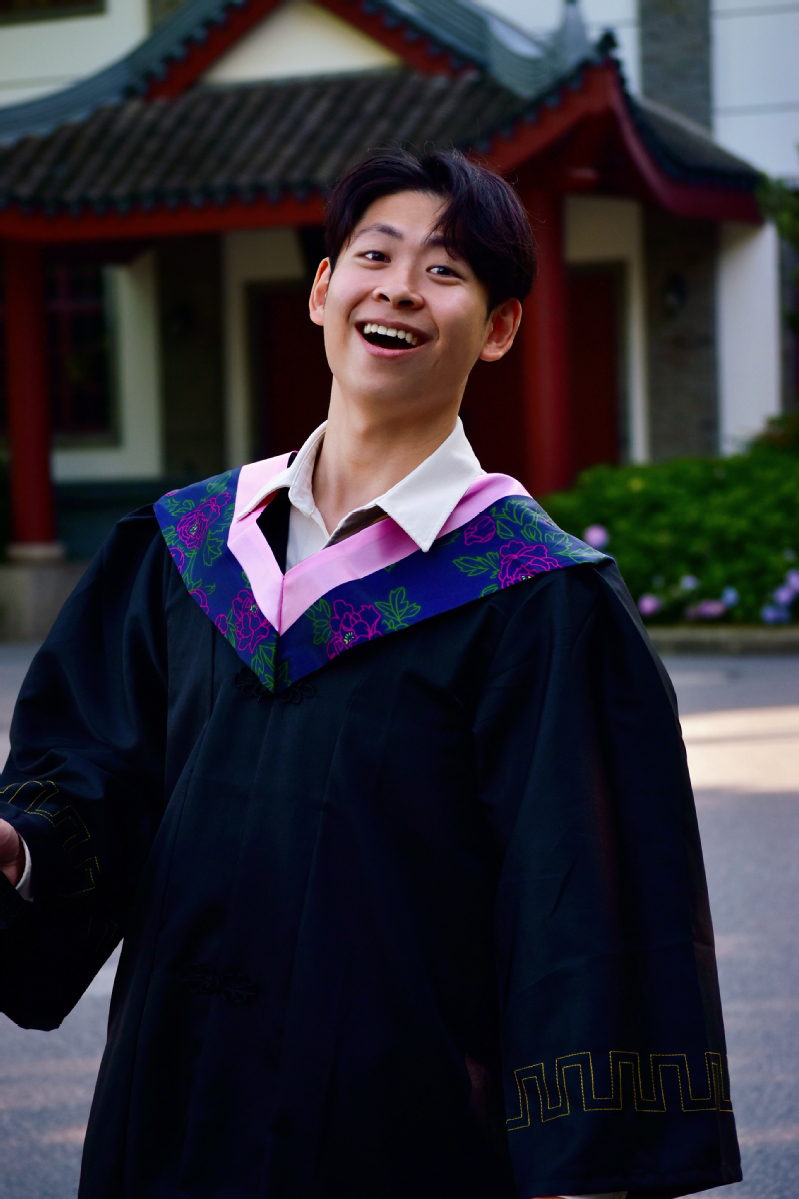
Now, in the summer of 2026, he has graduated from Fudan’s Department of Chinese Language and Literature. His journey reflects what happens when a clear vision meets the right environment.
A Dream Realized
Chen’s connection to Fudan began during the Shanghai-Singapore Bilateral Symposium in 2016, when he first set foot on Handan campus.
“I was amazed by how genuinely smart they were, how confident they were, how eager they were to participate,” he recalls. “I never imagined I could return here to pursue a degree. Now that I’m graduating, it’s like a dream.”
A scholarship recipient from Singapore’s Ministry of Education, Chen participated in multiple cultural immersion programs in China during his secondary years. These experiences showed him the breadth of knowledge Chinese students seemed to embody. In 2022, he entered Fudan’s Chinese Language and Literature program.
The first semester brought unexpected challenges. Chen had studied Chinese language in Singapore—but not Chinese literature.
“Chinese language and Chinese literature are two different subjects,” he explains. “I wasn’t very familiar with literary texts, whether contemporary or classical.”
Fellow international students from Indonesia, Japan, Korea, and Malaysia became his companions in confusion. “We always sat together in class like, ‘Oh my god, what is this professor talking about? It’s too fast!’” he laughs.
“I put in a lot of effort,” he says. “Some days I’d wake up at 7 AM and study until 11 PM.” Luckily, he had his Chinese classmates to help him, and he also used AI tools to break the text down into simpler Chinese.
“When you study Chinese literature, it’s about how you internalize the text, how you develop your own thinking,” Chen notes. One course that exemplified this was Modern Chinese, taught by a professor who never gave fixed answers. Instead, the professor posed open-ended questions about linguistic phenomena, asking students to debate what was “natural” or “acceptable.”
“That class helped everyone think, share, and accept others’ opinions,” Chen recalls. “It was a very inclusive learning environment.”
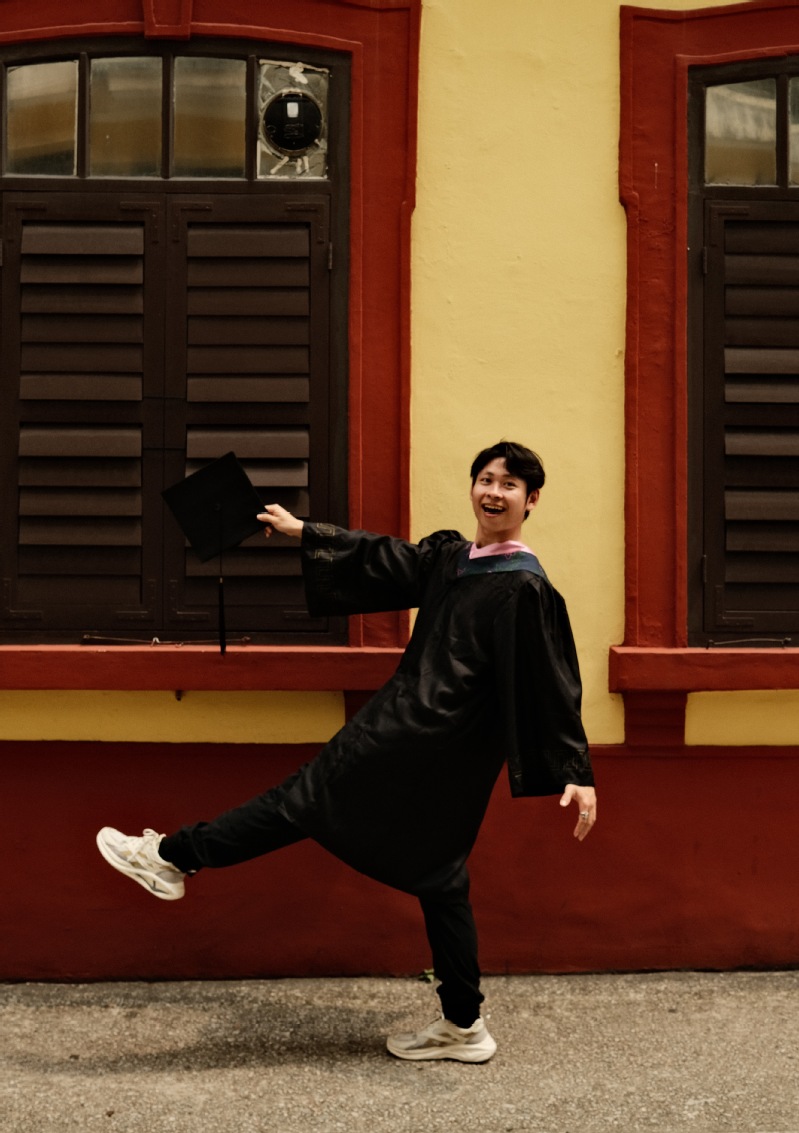
Chen chose two cross-disciplinary courses: Spanish Language and International Chinese Education. Spanish was a deliberate challenge. “As a Singaporean, we’re bilingual—we learn English and Chinese. So I wanted to learn a new language.”
The choice proved practical. Today, Chen teaches Chinese online to students from Latin America and uses Spanish almost daily. International Chinese Education connected to his career aspirations. “It converts everything I learned into education—that’s what I want to do.”
His academic record reflects his dedication: he earned a 4.0 GPA with straight A’s in his first semester. Throughout his four years in Fudan, he consistently ranked in the top 7 in his department.
Beyond the Classroom
Chen pushed himself into sports—volleyball, soccer, boxing, swimming—to balance the sedentary life of a literature student. “I was obese,” he admits. “And I wanted to challenge my physical limits too.”

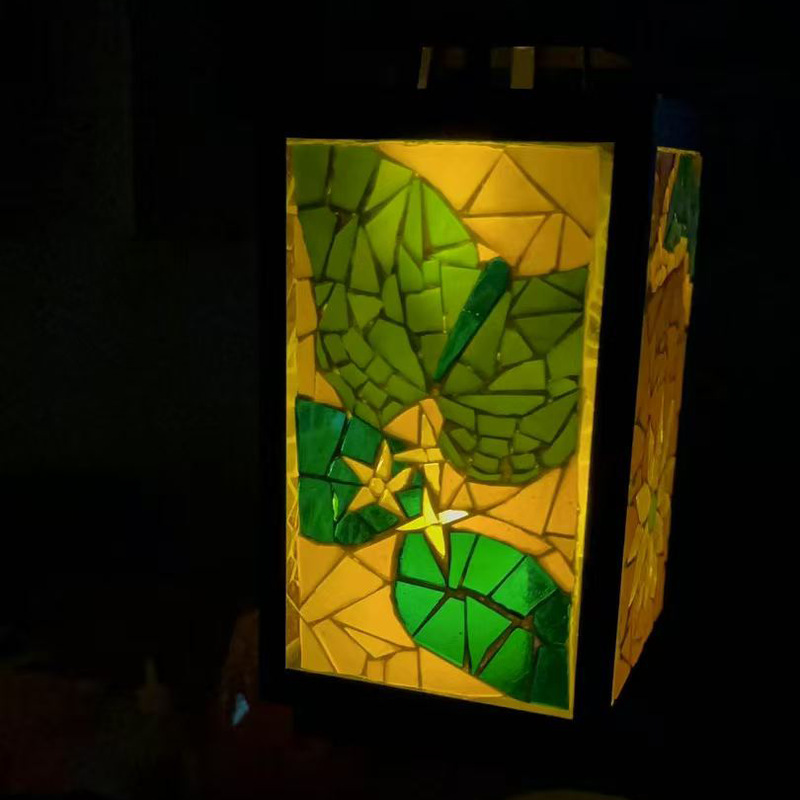
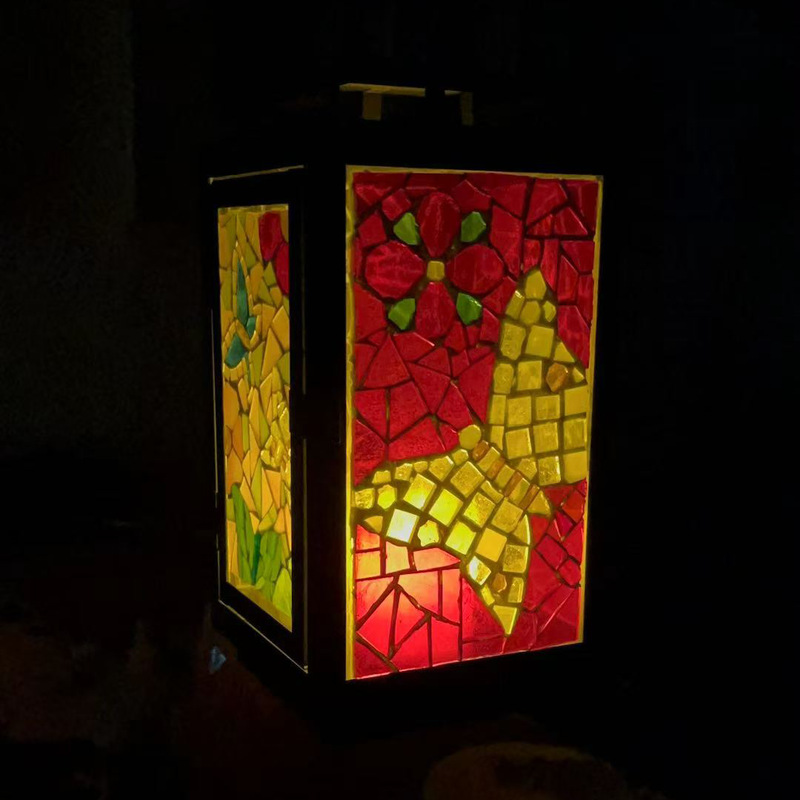
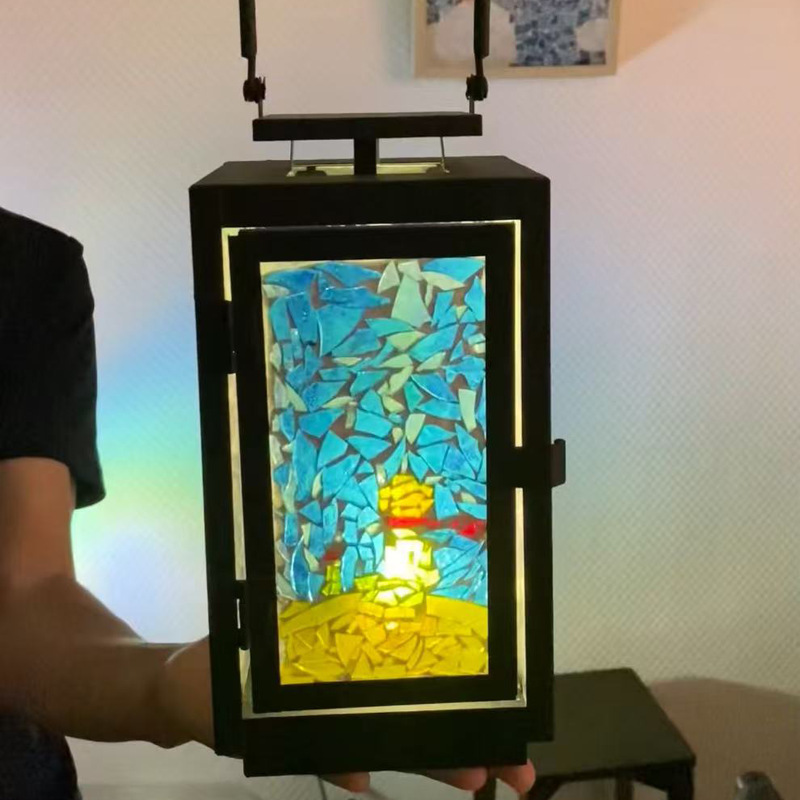
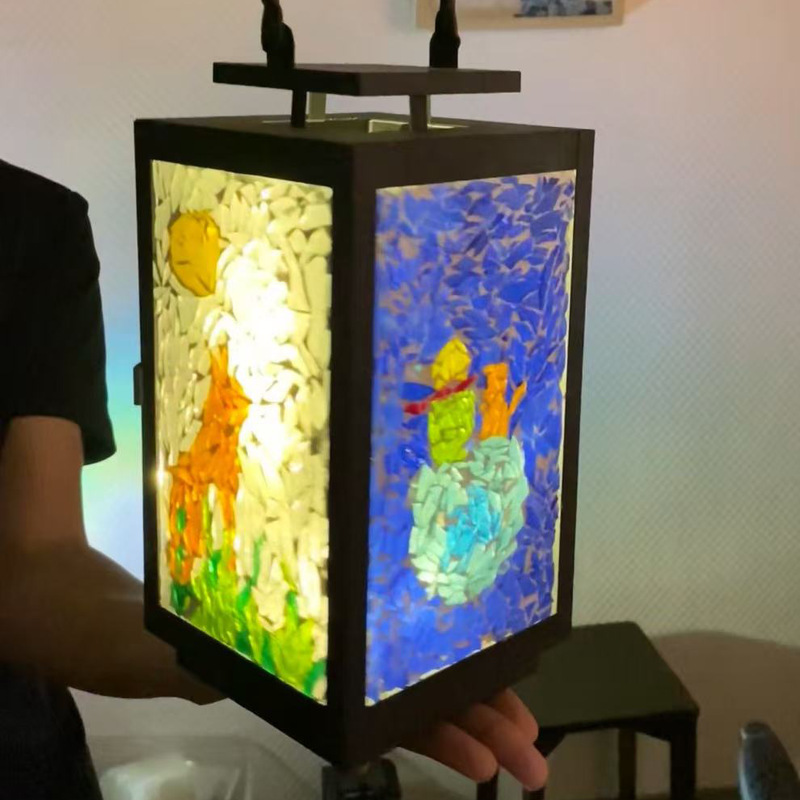
Another meaningful experience of his was co-founding the Mosaic Art Society after a chance conversation with Professor BAO Chunlei. Established in the 2024–2025 academic year, the society welcomed undergraduates, postgraduates, and short-term language students—both Chinese and international.
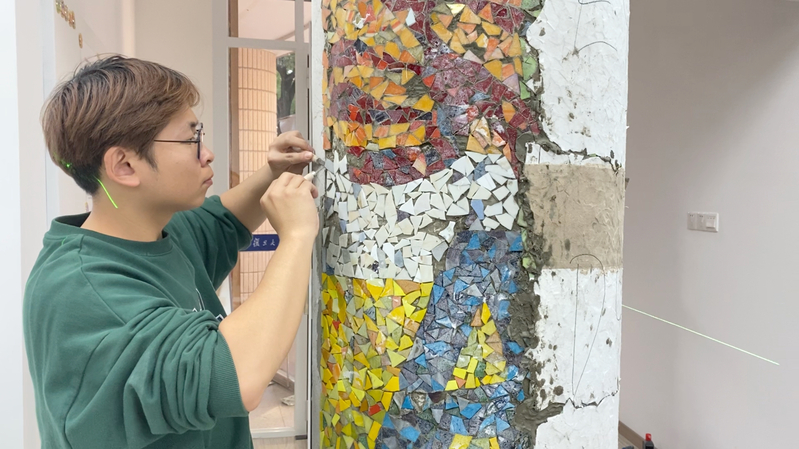
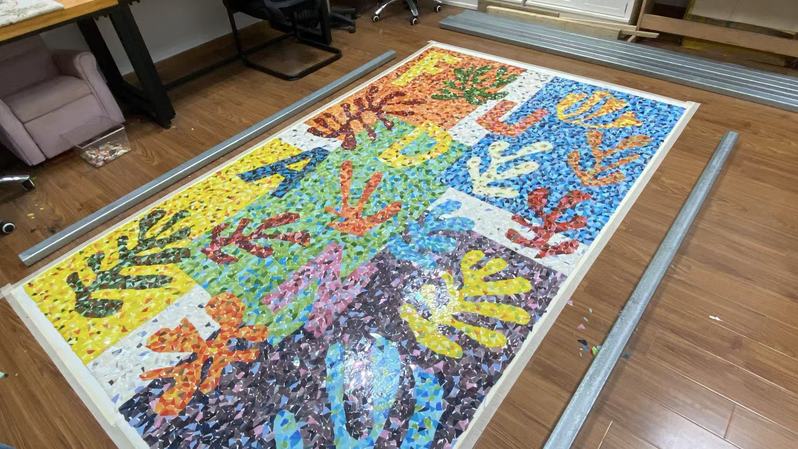
“Every week, we ran two craft sessions,” Chen says. Members made cup holders, coasters, and photo frames out of mosaic pieces. “One thing we’re proud of is decorating the lamps in East Dormitory Building 17. We hope it adds a little warmth to the space for fellow Fudan students.”
Eager to become a teacher after graduation, Chen also sought a teaching assistant role after completing World Musical Culture as an elective. The course was broadcast live across three campuses with over 80 students. “As a student who took the course, I could give feedback on project requirements,” he says. He also worked as a teaching assistant for Fudan’s Summer International Session and interned at a tutoring center, gaining hands-on classroom experience.
A Global Educator in the Making
After graduation, Chen will join Singapore’s Ministry of Education as an education officer and Chinese teacher. His time at Fudan has shaped his teaching philosophy.
“Singapore has its own strengths, but we can learn from China’s education system, especially in teaching literature,” he says.
His favorite poet is Li Bai. “What inspires me is his strong will in the face of life’s difficulties,” he says. “Chinese poetry is all about subtle emotions. It takes personal experience to really relate to the text—but even if you haven’t lived through much, you can still sense what the writer was feeling.”
To international students considering China, he offers encouragement: “If you feel intimidated, come anyway. Studying Chinese language can bring us to a bigger stage. Once there, we can shine in areas we’re good at.”
As Chen prepares to return to Singapore, he carries more than a degree—he carries a decade of inspiration and a commitment to pass it on to the next generation.
(END)
Writer: LI Yijie
Editor: WANG Mengq